
Safe Paths That Connect Property Access Points
Concrete Sidewalk and Walkway Installation in Wichita for cracked paths, tripping hazards, and uneven yard access routes
PPJ Construction Inc installs concrete sidewalks and walkways for residential and commercial properties throughout Wichita. You need smooth, stable paths that connect driveways, entrances, and outdoor spaces without creating tripping hazards or collecting water. The installation process includes layout, excavation, base preparation, concrete pouring, and finishing work that ensures safe, accessible routes across your property.
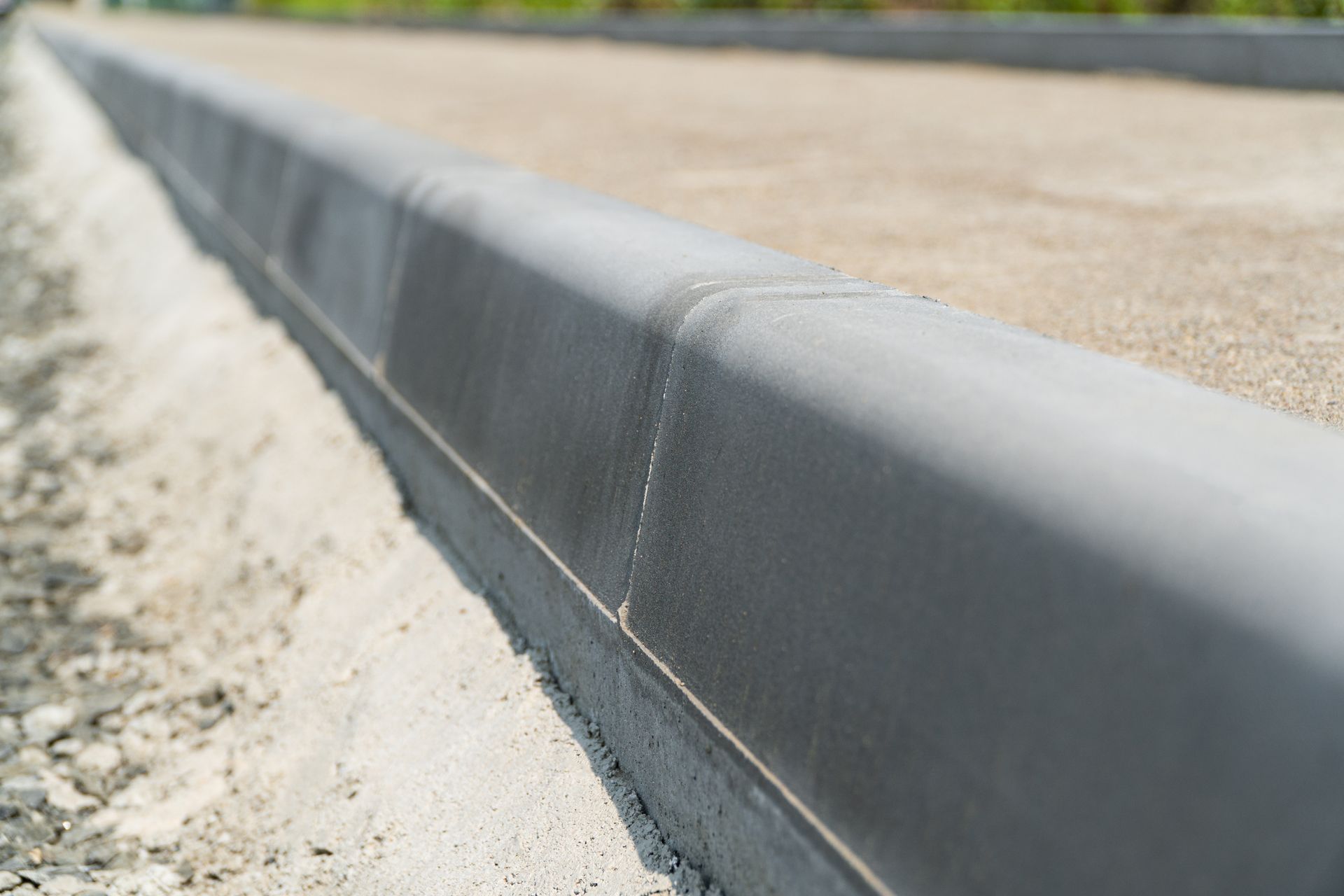
Sidewalk installation addresses problems like cracked or sunken sections, uneven surfaces that pose tripping risks, and poorly defined pathways that erode or turn muddy. The crew excavates along the planned route, installs a compacted base, and pours concrete in sections with control joints to manage cracking. The surface is finished with a slip-resistant texture and graded to shed water.
If your property needs new walkways or sidewalk repairs, reach out to PPJ Construction Inc to discuss routing options and site conditions in Wichita.
What Sidewalk and Walkway Installation Includes
You begin with layout and excavation, which involves marking the path route, checking for underground utilities, and digging to the required depth. A compacted gravel base is installed to provide stability and drainage beneath the concrete. Forms are placed along the edges to contain the pour and maintain consistent width.
Once the concrete is poured, the surface is leveled, floated smooth, and finished with a broom texture for traction in wet conditions. You'll see clean edges, consistent slope for drainage, and control joints placed every four to five feet to prevent random cracking. After curing, the walkway is firm, level, and safe for foot traffic.
The process takes several days depending on walkway length and site complexity. Curved paths or decorative borders add design interest but require additional forming and finishing time. The work does not include landscaping restoration, sod replacement, or irrigation line relocation unless arranged separately.
Common Questions About Sidewalk Installation
Sidewalk projects vary in length, width, and complexity, so understanding the construction process helps you plan for access, timing, and long-term maintenance.
How wide should a residential walkway be?
Most residential walkways are at least 36 inches wide to allow comfortable passage, while commercial sidewalks are typically 48 inches or more to accommodate higher traffic and accessibility requirements.
What prevents sidewalks from settling over time?
A properly compacted aggregate base distributes weight and prevents the concrete from sinking as soil shifts, and adequate thickness ensures the slab resists cracking under load.
Why are control joints necessary in sidewalks?
Control joints create planned weak points that guide where cracks form, keeping them straight and manageable rather than allowing random fractures that weaken the path.
When is reinforcement needed in a walkway?
Steel reinforcement is typically used in commercial sidewalks or residential paths that cross unstable soil, steep slopes, or areas with heavy vehicle crossings.
How does freeze-thaw cycling in Wichita affect sidewalk durability?
Moisture that seeps into concrete can freeze and expand during winter, causing surface spalling and cracking, so proper drainage and occasional sealing help extend sidewalk life.
PPJ Construction Inc plans sidewalk and walkway installations to match your property layout, traffic patterns, and accessibility needs across Wichita. Contact them to review routing, width requirements, and finish options for your project.